[Editor’s Note: This is the first in a series of three articles about the best movies for Alongsiders to watch to learn about Indian culture. The others are this article about South Indian movies and this article about Hollywood movies.]
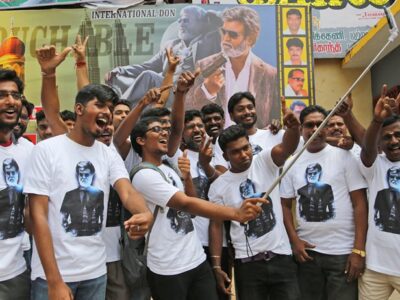
I’ll never forget watching my first movie in a theater in India. There was a different energy in the air than I was used to in American theaters. Loud cheers for the hero, boisterous boos for the villain, and ear-piercing whistles for the dancing heroine. Popcorn was even flung into the air in celebration! It was an energetic introduction to India’s famous movie industry!
India is one of the most culturally rich and diverse countries in the world, and Bollywood (Hindi language cinema) is one of the most accessible windows into India’s heart. More than simply entertainment, movies in India shape values, spark national conversations, preserve traditions, and reflect everyday life (often with a dramatic flair!). These films memorialize emotional experiences that influence how people think, feel, and relate to one another.
While classic Bollywood movies usually run for more than 3 hours, modern Bollywood movies are more often in the range of 2 – 2.5 hours. Bollywood movies have a built-in intermission, which can be used to visit the restroom and refresh your concessions. In America, there will be English subtitles when watching Bollywood films in a movie theater or on a streaming service. Something that surprises many first-time viewers is that most Bollywood movies are chock-full of song and dance numbers that add “masala” (literally, “spice”) to the experience.
If you’re an Alongsider with Indian friends or are planning to travel in India, Bollywood can be one of the most fun and insightful ways to learn about the culture. India is not just one culture, one language, or one way of life. Bollywood reflects this diverse mosaic through stories about family expectations, ambition, faith, injustice, joy, trauma, and modernization. Spirituality is common in Bollywood films, and many movies offer insights into the many religious traditions across India.
This is not a list of the “greatest Bollywood movies ever made”. Instead, it is a curated selection of films chosen to help Western viewers better understand India’s varied and unique culture. Over 70 people (mostly Indians and a few experienced Alongsiders) gave their suggestions of the best films to help Westerners better understand India. Whether you’re hoping to deepen friendships or preparing for travel in India, these films offer a crash course into different snapshots of Indian life. Here are the top 35 most-recommended movies you should prioritize watching, listed in ranked order (for example, 3 Idiots was recommended by half of the contributors). Jump to the bottom of the list to see a short list of recommended movies based on Alongsider themes.
*Content & Ratings Disclaimer: Indian films use different rating systems than American movies, and some may include themes of violence, sexuality, trauma, or mature social issues. Viewer discretion is advised, especially when watching with children or younger teens.
- 3 Idiots (2009)
This brilliant comedic drama tackles the immense pressure of the Indian engineering education system and parental expectations. It is essential for understanding the intense academic stress placed on Indian youth and the conflict between following your passion versus securing a stable career.
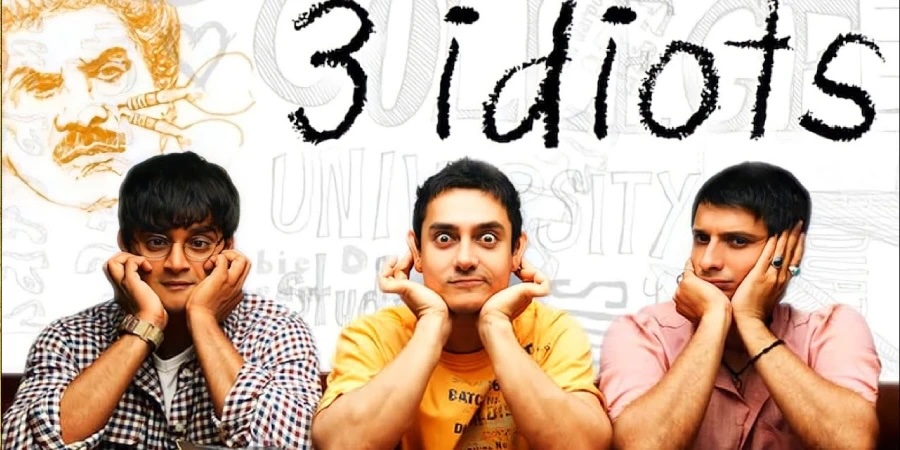
3 Idiots (2009) movie poster.
- Lagaan (2001)
Set during the British Raj, this epic underdog story uses the sport of cricket as a metaphor for resistance against colonial oppression. It beautifully illustrates the unifying power of cricket in India and the spirit of resilience against insurmountable odds.
- Swades (2004)
A successful NRI (Non-Resident Indian) working at NASA returns to his rural village and confronts the realities of grassroots India. It’s a profound look at the “brain drain” phenomenon and the tug-of-war between global ambition and one’s roots.
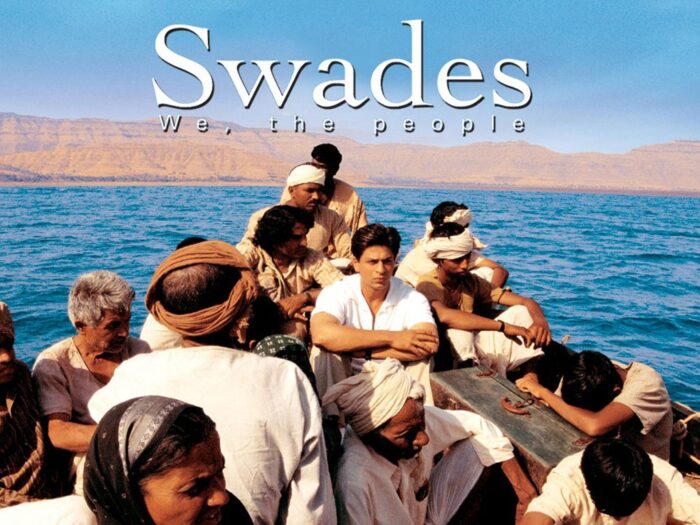
Swadesh (2004) movie poster.
- Kabhi Khushi Kabhie Gham (2001)
Often called “K3G,” this is the definitive, glossy saga about the wealthy Indian joint family, emphasizing loving your parents above all else. It showcases the deep-seated values of hierarchy, respect for elders, and the emotional weight of family estrangement.
- PK (2014)
Through the innocent eyes of an alien stuck on Earth, this satire questions blind faith, superstition, and the business of organized religion in India. It provides a critical yet accessible look at how deeply religion is woven into the fabric of daily life.
- Dilwale Dulhania Le Jayenge (1995)
The longest-running movie in Indian cinema history, “DDLJ” defined romance for a generation by showing that modern love and traditional family values could coexist. It is crucial for understanding the cultural importance of gaining parental approval for marriage.
- Rang De Basanti (2006)
A group of cynical university students finds purpose by connecting with the history of India’s freedom fighters. This film is a powerful exploration of modern youth culture, political apathy, and the awakening of patriotism and activism.
- Zindagi Na Milegi Dobara (2011)
A slick road-trip movie about three friends traveling through Spain, dealing with workaholism, commitment phobias, and resolving past grudges. It reflects the aspirations, lifestyle, and changing relationship dynamics of modern, urban upper-middle-class Indians.
- Sholay (1975)
This “Curry Western” about friendship and revenge is perhaps the most iconic and quoted film in Indian history. It gives insight into the legendary status of friendship (dosti) and the rugged morality tales that shaped earlier generations of cinemagoers.
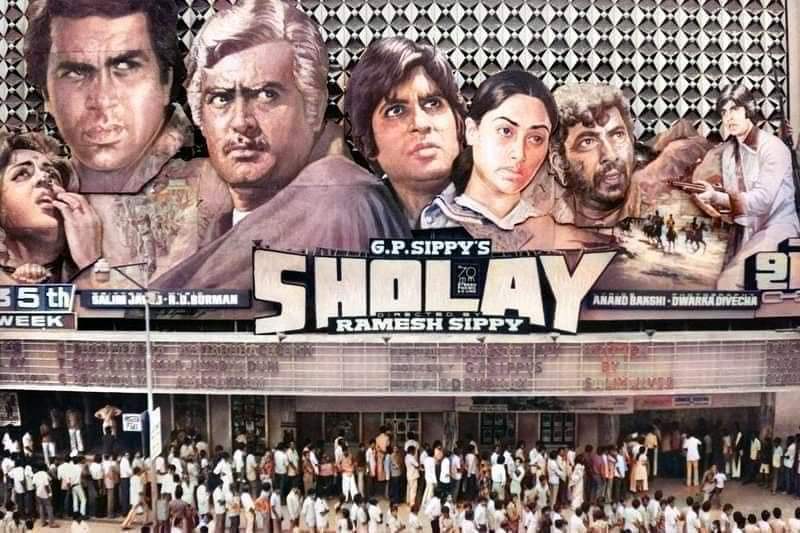
Sholay (1975) movie poster.
- Jab We Met (2007)
A bubbly, talkative girl from Punjab meets a depressed businessman on a train, leading to a journey across India that changes both their lives. It offers a charming, feel-good look at modern romance and the cultural distinctiveness of North India.
- Dangal (2016)
Based on a true story, a father in a conservative rural society trains his daughters to become world-class wrestlers against all odds. It is a powerful commentary on female empowerment and changing gender roles in India’s heartland.
- Chak De! India (2007)
A disgraced Muslim hockey player returns to coach the underdog women’s national team, battling sexism, regional prejudice, and a lack of resources. It is a stirring look at national integration and unity through sports.
- Queen (2013)
After her fiancé leaves her just days before the wedding, a timid girl decides to go on her honeymoon to Europe alone. This is a landmark film about female independence and self-discovery outside of traditional relationship structures.
- The Lunchbox (2013)
A mistaken delivery by Mumbai’s famous “dabbawala” lunchbox delivery system connects a lonely housewife and a nearing-retirement widower. It offers a quiet, nuanced look at urban loneliness and the middle-class experience in a bustling metropolis.
- Jodhaa Akbar (2008)
This opulent historical romance depicts the alliance between the Mughal Emperor Akbar (Muslim) and a Rajput Princess (Hindu). It visually represents India’s rich history and the complex, vital theme of religious tolerance and syncretism.
- Devdas (2002)
A visually spectacular and tragic tale of a man who drinks himself to death when class differences prevent him from marrying his childhood love. It is the quintessential Indian tragedy highlighting the destructive power of rigid social hierarchies and unrequited love.
- Awaara (1951)
A classic from India’s “Golden Age,” this film explores the nature versus nurture debate through the story of a judge’s son raised by a criminal. It offers deep insight into the post-independence era’s concerns about class divides and social justice.
- Dil Chahta Hai (2001)
This film revolutionized Bollywood by accurately depicting the language, style, and friendship dynamics of urban, westernized Indian youth. It is essential for understanding the cultural shift that occurred at the turn of the millennium.
- ’83 (2021)
This sports biopic chronicles India’s unlikely victory at the 1983 Cricket World Cup, a moment that changed the nation’s self-image. It explains why cricket is not just a game in India, but a religion and a source of immense national pride.
- Om Shanti Om (2007)
A masala-filled melodrama about reincarnation set against the backdrop of the film industry itself in the 1970s and 2000s. It’s a fun, meta-commentary that helps you understand Bollywood’s own history, tropes, and obsession with stardom.
- Padmaavat (2018)
A controversial and visually stunning period drama focusing on Rajput valor, honor, and the legend of Queen Padmavati. It provides insight into historical narratives of sacrifice and the intense cultural pride of certain Indian communities.
- OMG – Oh My God! (2012)
When an atheist shopkeeper’s store is destroyed by an “act of God” and insurance won’t pay, he sues God in court. Like PK, it is a satirical yet meaningful examination of ritualism versus true spirituality.
- Dil Dhadakne Do (2015)
Set on a cruise ship, this film explores the facade of a wealthy, dysfunctional Delhi family trying to keep up appearances. It’s a sharp critique of elite society, arranged marriage pressures, and generational communication gaps.
- English Vinglish (2012)
A quiet, traditional housewife, often mocked by her family for her poor English, secretly enrolls in an English class during a trip to New York. It’s a beautiful story about self-respect and the often-overlooked value of homemakers in Indian society.
- Hum Aapke Hain Koun..! (1994)
This musical blockbuster is essentially one long, elaborate Indian wedding depicting the idealized joint family structure. It is the blueprint for understanding the scale, rituals, and supreme importance of weddings in Indian culture.
- Kal Ho Naa Ho (2003)
Set in New York City, this tearjerker explores the life of Indian immigrants, friendship, and sacrificial love. It blends modern diasporic life with high-stakes, traditional Indian melodrama.
- Barfi! (2012)
A heartwarming, unconventional love story between a deaf and mute man and an autistic woman, set in the charming hills of Darjeeling. It challenges societal norms about who is deserving of love and offers a gentler perspective on disability.
- Rock On!! (2008)
Four friends reunite their old college rock band years after giving up their dreams for corporate jobs. It explores the tension between artistic passion and the practical demands of adult life in urban India.
- Bhaag Milkha Bhaag (2013)
The biopic of legendary Indian sprinter Milkha Singh, detailing his struggles during the Partition of India and Pakistan to becoming an Olympian. It highlights how historical trauma fueled a generation’s resilience and drive for national glory.
- Article 15 (2019)
A hard-hitting crime drama inspired by true events, following an upper-caste police officer investigating a caste-based crime in rural India. It is essential viewing to understand the harsh realities of the caste system that still exist today.
- Bajrangi Bhaijaan (2015)
A devout Hindu man undertakes a perilous journey to reunite a mute six-year-old Pakistani girl stranded in India with her parents. It is a simplistic but emotionally resonant plea for humanity over religious and national borders between India and Pakistan.
- Uri: The Surgical Strike (2019)
A dramatization of the Indian Army’s retaliatory operation against militants in 2016. It reflects a shift in modern Indian nationalism and a more assertive military stance reflective of current political sentiments.
- Piku (2015)
A quirky, realistic look at the relationship between a financially independent woman and her aging, hypochondriac father obsessed with his bowel movements. It endearingly captures the duty and exasperation involved in caring for elderly parents in modern India.
- My Name Is Khan (2010)
An Indian Muslim man with Asperger’s syndrome undertakes a journey across America post-9/11 to tell the President that he is not a terrorist. It explores themes of Islamophobia, disability, and the global Indian identity.
- Hum Saath Saath Hain (1999)
A drama centered on a family that is torn apart by misunderstandings but eventually reunites, emphasizing that the family unit is paramount. It is the ultimate cinematic representation of the idealized, traditional Indian joint family values.
Click Here for Your Own Checklist!
While no list can capture every nuance of a civilization as vast and diverse as India, stories like these can help turn your curiosity into understanding. If this list feels a bit overwhelming, try starting here:
- For education, pressure, & success: 3 Idiots, Swades, & Article 15 explore achievement, moral responsibility, and the cost of rigid systems which are topics many Indians deeply relate to.
- For family, tradition, & relationships: Kabhi Khushi Kabhie Gham, Dilwale Dulhania Le Jayenge, & Hum Aapke Hain Koun..! show how love, duty, and honor intertwine within Indian households.
- For identity, patriotism, & national pride: Lagaan, Rang De Basanti, & ’83 reveal how sports, sacrifice, and historical memory shape national identity.
- For social questions & moral tension: PK, OMG – Oh My God!, & Article 15 challenge social norms while reflecting real debates happening across India today.
- For modern life, self-discovery, & change: Zindagi Na Milegi Dobara, Queen, & Dil Chahta Hai reflect changing views on independence, friendship, gender roles, and happiness.
Better yet, grab some popcorn (or samosas with chai) and watch them with your Indian friends! Ask lots of questions. Notice what resonates, what makes them laugh, and what moves them to tears. You don’t need to understand every reference or song lyric to learn something meaningful. Approaching Bollywood with humility and a learner’s mindset opens the door for greater understanding of the Indian world and many opportunities to connect with Hindu friends.
Now we’d love to hear from you! What’s your favorite Bollywood movie, or which one are you excited to watch next? Add your favorites below in the comment box!
Stay tuned for upcoming articles on the Top South Indian films and Hollywood movies for learning Indian culture!